'/%3E%3C/svg%3E)


Manchester: remembering the political history of the city
Although the United Kingdom is outside the scope of our research, in connection with our participation in the AFPP conference, we are highlighting the ways in which the memory of resistance is being preserved in Manchester. Courtesy of Ms. Marta Sikora (a graduate of the sociology program at the University of Szczecin), who works at the local university, we are meeting with representatives of the city’s major institutions involved in documenting social movements.
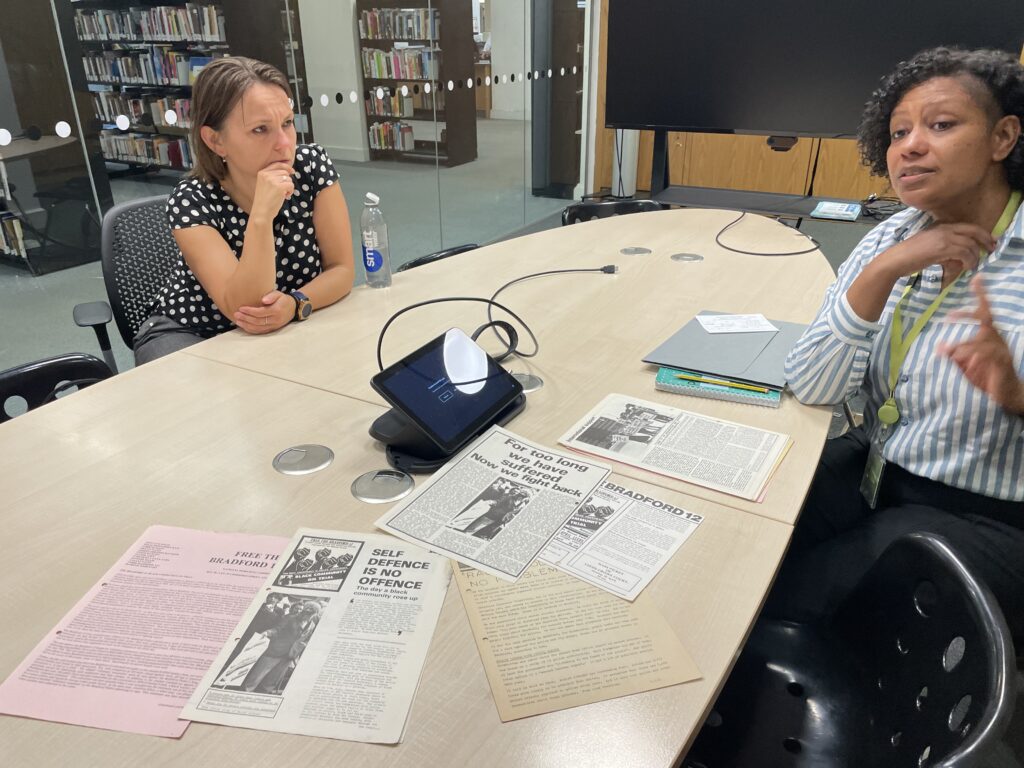
We visit the Ahmed Iqbal Ullah RACE Centre, which collects, among other things, documents from migrant and refugee communities (especially in the Greater Manchester region and northwest England), social organizations, movements, and campaigns for social justice, biographies (oral histories), and much more. Lianne Smith, who works at the University of Manchester Library—of which the center is a part—told us about the collections and the center’s work. The center is named after Ahmed Iqbal Ullah, a 13-year-old student at Burnage High School in Manchester who was killed in a racist attack on a playground in 1986.
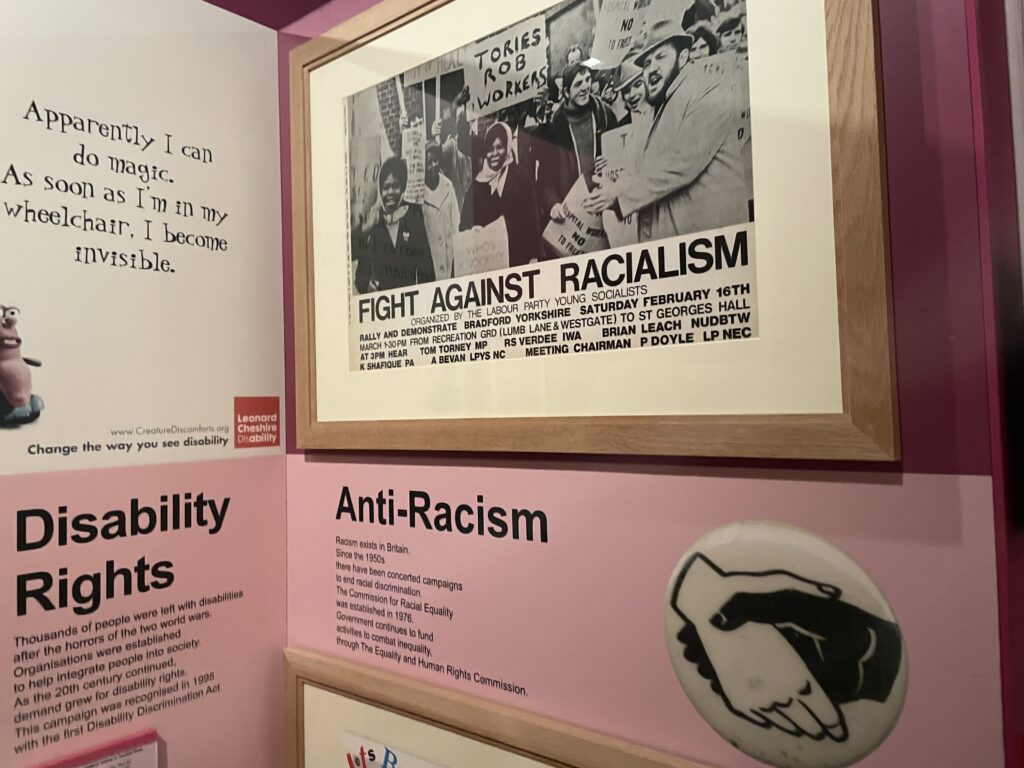
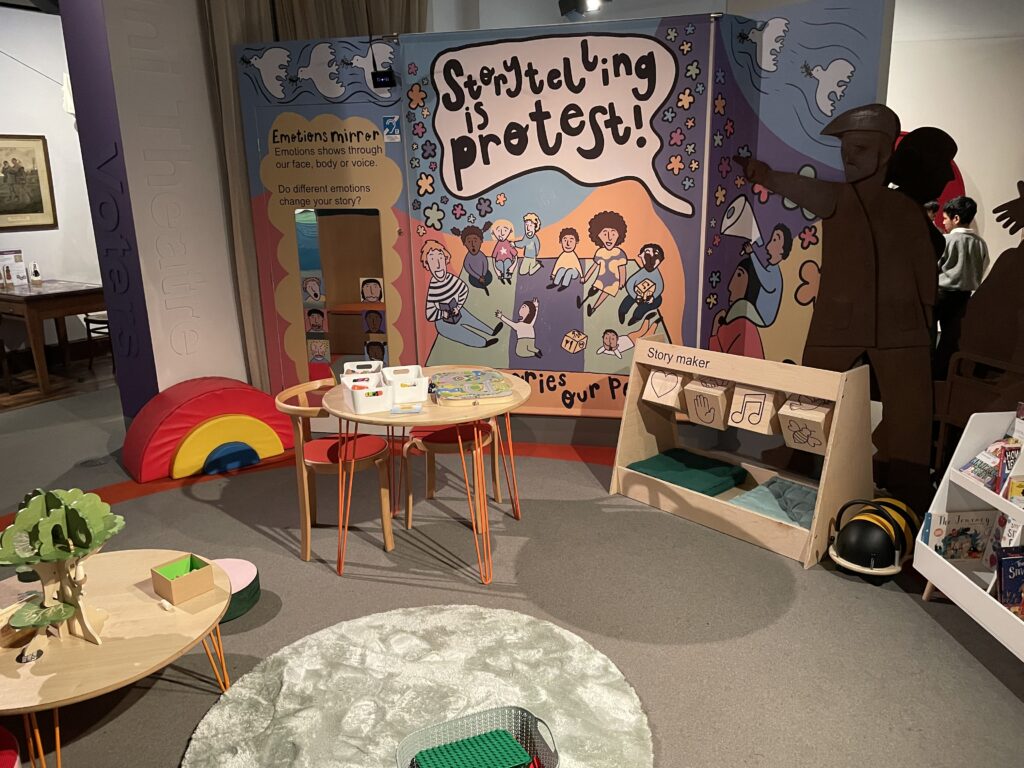
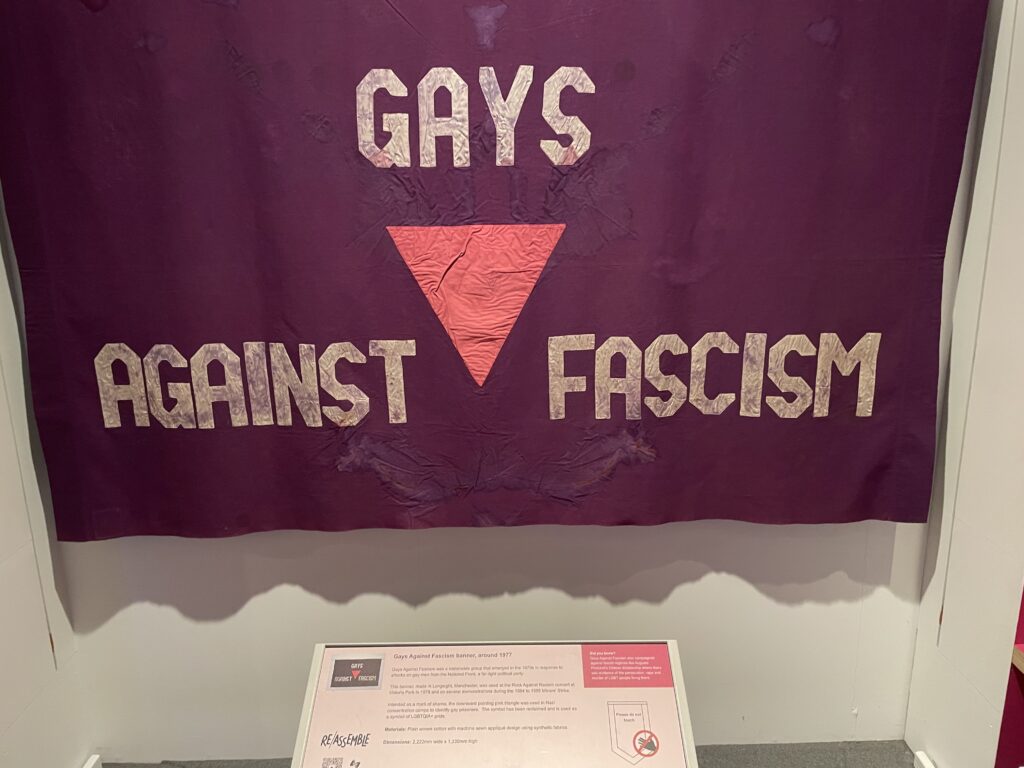
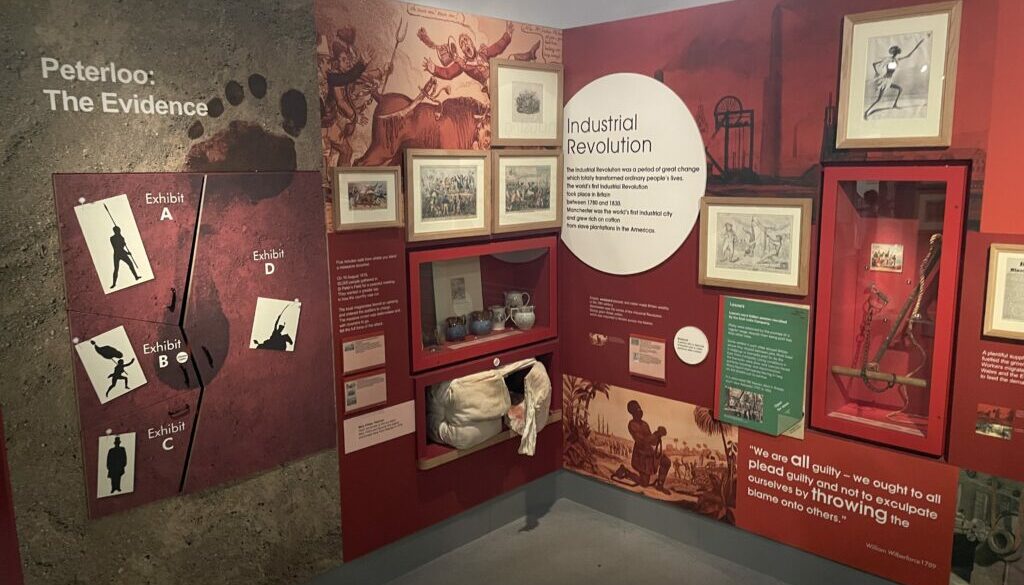
One of the best-known institutions in Manchester dedicated to the history of protest is the People’s History Museum. Known as the national museum of democracy, it showcases grassroots social mobilization in the United Kingdom.
The museum has an interesting narrative concept—using the example of the Peterloo Massacre (at St. Peter’s Square) in Manchester, it tells the 19th-century story of the origins of the labor movement, the suffragettes, and trade unions